

Blog / Tires

Blog

All Tires Putnam GMC Dealer Vachon GMC Vachon GMC Service Putnam GMC Service GMC Lineup GMC Warranty 2025 GMC Acadia Putnam, CT 2026 GMC Acadia 2026 GMc Hummer EV SUV 2026 GMC Sierra 1500 2026 GMC Terrain 2026 GMC Yukon Finance GMC Battery Care GMC Oil Change Putnam Used Cars
Tire Rotation in Putnam, CT: Why It’s Essential for Your Vehicle 

Tire Rotation in Putnam, CT: Why It’s Essential for Your Vehicle

What is tire rotation? Tires don’t wear evenly. The front tires handle steering, braking, and most of the weight transfer. The rears mostly follow along, unless you’ve got a performance setup or a truck doing real work. Either way, each tire lives a different life. Leave them in place long enough, and they start wearing in ways that don’t match each other. That’s where tire rotation comes in. It’s not maintenance for the sake of it. It’s a reset for how your tires. What Does the Tire Rotation Process Entail? A proper tire rotation is not just swapping positions and calling it done. The pattern matters. Front-to-rear, side-to-side, or a more specific rotation pattern depending on drivetrain and tire type. A front-wheel drive vehicle wears its front tires differently than a RWD or AWD setup. Get the pattern wrong, and you’re not fixing the problem, just moving it around. more During a rotation, a technician should also be looking at wear patterns. Feathering, cupping, uneven edges. Those are clues. They point to alignment issues, suspension wear, or incorrect tire pressure. Air pressure gets checked. Balance gets evaluated. The rotation is just one part of a bigger picture. How Often Should You Rotate Tires? Most vehicles land in the 6,000-to-8,000-mile range. That’s a solid baseline. But driving conditions matter. Rough roads, heavy loads, aggressive driving, all of it accelerates wear. The best approach is consistency. Rotate them on schedule, and you prevent uneven wear before it becomes visible or noticeable behind the wheel. Wait too long, and you’re trying to correct a pattern that’s already set. What Happens If You Don’t Rotate Your Tires? You end up replacing them sooner. That’s the simple version. Uneven wear reduces traction. It affects braking performance. It can introduce vibration or noise. In some cases, it makes the vehicle feel unstable at speed. And once a tire wears unevenly, you can’t undo it. You can only replace it. Rotation is preventative. It keeps all four tires wearing at roughly the same rate, which keeps the vehicle predictable and extends the life of the entire set. Tire rotation is one of the simplest services you can do, but it has a direct impact on how your vehicle drives, handles, and stops. At Vachon GMC, tire rotations are done with attention to wear patterns, correct rotation methods, and overall tire condition. It’s not just about moving tires. It’s about making sure they continue to perform the way they should, mile after mile.
Comprehensive Guide to Tires and Wheels

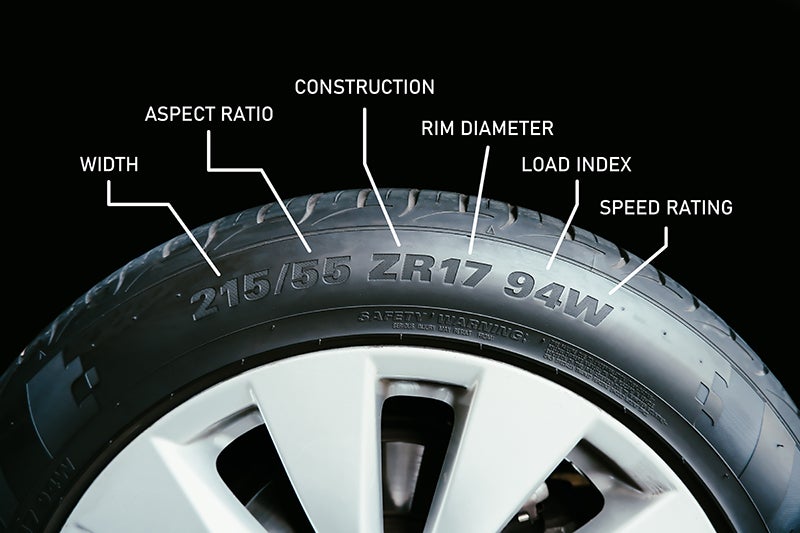
Most drivers think about tires and wheels at two moments. When buying them, and when something goes wrong. The rest of the time, they’re taken for granted. Which is interesting, because they’re doing all the real work. Every stop, every turn, every mile of pavement runs through those four contact points. Tire sidewall marking , numbers and letters on tire meaning of car tire isolated on white background , Car tire concept; Shutterstock ID 2243054247; purchase_order: 27223; client: DealerOn Anatomy of Tires and Wheels A tire looks simple until you break it down. The tread is what meets the road. It determines how the vehicle grips in dry conditions and how it handles water when the road turns slick. The sidewall gives the tire its flexibility, allowing it to absorb impacts without losing shape. The bead locks the tire to the wheel, keeping everything sealed under pressure. more The wheel is the rigid counterpart. The rim holds the tire in place. The hub connects to the vehicle. Spokes distribute the load so the wheel can handle constant stress without deforming. Lug nuts secure the entire assembly. If they’re not properly tightened, nothing else matters. The valve stem controls air pressure, which directly affects how the tire performs. How Tires and Wheels Work Together Tires provide grip. Wheels provide structure. When you accelerate, the wheel transfers power to the tire, and the tire transfers it to the road. When you brake, that same system works in reverse. When you turn, the tire’s contact patch shifts while the wheel maintains alignment. If everything is working correctly, the vehicle feels stable and predictable. If something is off, you feel it almost immediately. Vibration, pulling, uneven response. The system does not hide problems well. Common Issues Problems tend to start small. Uneven tire wear often signals alignment issues or incorrect tire pressure. Punctures happen, usually from debris, and can lead to slow leaks or sudden loss of air. Bent wheels are common in areas with potholes. Even a slight bend can cause vibration at speed. Loose lug nuts are less common but far more serious. If ignored, they can lead to wheel instability. Valve stem leaks are easy to miss but gradually reduce tire pressure, affecting handling and efficiency. Maintenance Tips Maintenance is straightforward, but it needs to be consistent. Check tire pressure regularly. It affects handling, wear, and fuel efficiency. Rotate tires every 6,000 to 8,000 miles to keep wear even. Pay attention to tread depth. Once it’s gone, traction goes with it. Balance wheels to prevent vibration, and keep alignment in check so the vehicle tracks correctly. If something feels off, it usually is. Tires and wheels require your attention. At Vachon GMC, service focuses on keeping this system working as it should. Proper inspections, accurate alignment, and timely repairs keep small issues from turning into bigger ones, and help ensure the vehicle stays stable and predictable on the road.

Contact Us

Fill out this form below and we'll contact you shortly
*Required Fields