

Blog / Putnam GMC Service

Comprehensive Guide to Tires and Wheels

Most drivers think about tires and wheels at two moments. When buying them, and when something goes wrong. The rest of the time, they’re taken for granted. Which is interesting, because they’re doing all the real work. Every stop, every turn, every mile of pavement runs through those four contact points. 

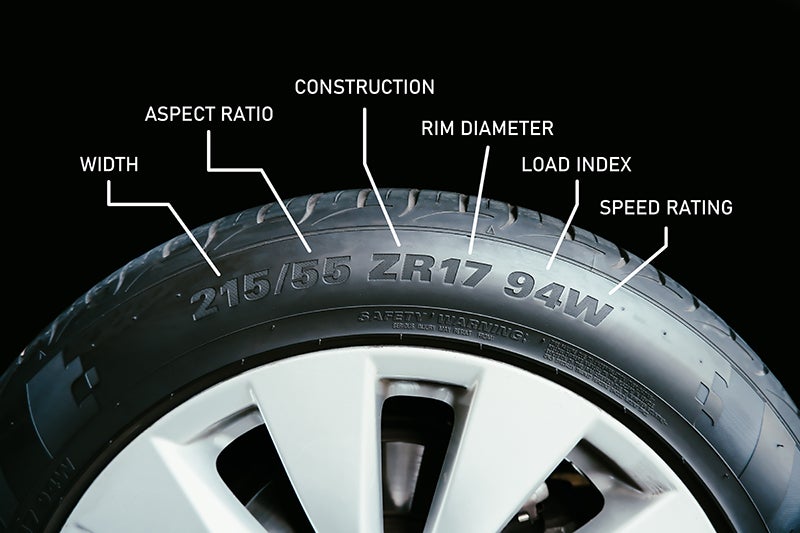
Tire sidewall marking , numbers and letters on tire meaning of car tire isolated on white background , Car tire concept; Shutterstock ID 2243054247; purchase_order: 27223; client: DealerOn

Anatomy of Tires and Wheels 

A tire looks simple until you break it down. The tread is what meets the road. It determines how the vehicle grips in dry conditions and how it handles water when the road turns slick. The sidewall gives the tire its flexibility, allowing it to absorb impacts without losing shape. The bead locks the tire to the wheel, keeping everything sealed under pressure. 

The wheel is the rigid counterpart. The rim holds the tire in place. The hub connects to the vehicle. Spokes distribute the load so the wheel can handle constant stress without deforming. Lug nuts secure the entire assembly. If they’re not properly tightened, nothing else matters. The valve stem controls air pressure, which directly affects how the tire performs. 

How Tires and Wheels Work Together 

Tires provide grip. Wheels provide structure. When you accelerate, the wheel transfers power to the tire, and the tire transfers it to the road. When you brake, that same system works in reverse. When you turn, the tire’s contact patch shifts while the wheel maintains alignment. 

If everything is working correctly, the vehicle feels stable and predictable. If something is off, you feel it almost immediately. Vibration, pulling, uneven response. The system does not hide problems well. 

Common Issues

Problems tend to start small. Uneven tire wear often signals alignment issues or incorrect tire pressure. Punctures happen, usually from debris, and can lead to slow leaks or sudden loss of air. 

Bent wheels are common in areas with potholes. Even a slight bend can cause vibration at speed. Loose lug nuts are less common but far more serious. If ignored, they can lead to wheel instability. Valve stem leaks are easy to miss but gradually reduce tire pressure, affecting handling and efficiency. 

Maintenance Tips

Maintenance is straightforward, but it needs to be consistent. Check tire pressure regularly. It affects handling, wear, and fuel efficiency. Rotate tires every 6,000 to 8,000 miles to keep wear even. 

Pay attention to tread depth. Once it’s gone, traction goes with it. Balance wheels to prevent vibration, and keep alignment in check so the vehicle tracks correctly. If something feels off, it usually is. 

Tires and wheels require your attention. At Vachon GMC, service focuses on keeping this system working as it should. Proper inspections, accurate alignment, and timely repairs keep small issues from turning into bigger ones, and help ensure the vehicle stays stable and predictable on the road. 
Posted in:

Related Posts

Tire Rotation in Putnam, CT: Why It’s Essential for Your Vehicle 

Tire Rotation in Putnam, CT: Why It’s Essential for Your Vehicle

What is tire rotation? Tires don’t wear evenly. The front tires handle steering, braking, and most of the weight transfer. The rears mostly follow along, unless you’ve got a performance setup or a truck doing real work. Either way, each tire lives a different life. Leave them in place long enough, and they start wearing in ways that don’t match each other. That’s where tire rotation comes in. It’s not maintenance for the sake of it. It’s a reset for how your tires. What Does the Tire Rotation Process Entail? A proper tire rotation is not just swapping positions and calling it done. The pattern matters. Front-to-rear, side-to-side, or a more specific rotation pattern depending on drivetrain and tire type. A front-wheel drive vehicle wears its front tires differently than a RWD or AWD setup. Get the pattern wrong, and you’re not fixing the problem, just moving it around. more During a rotation, a technician should also be looking at wear patterns. Feathering, cupping, uneven edges. Those are clues. They point to alignment issues, suspension wear, or incorrect tire pressure. Air pressure gets checked. Balance gets evaluated. The rotation is just one part of a bigger picture. How Often Should You Rotate Tires? Most vehicles land in the 6,000-to-8,000-mile range. That’s a solid baseline. But driving conditions matter. Rough roads, heavy loads, aggressive driving, all of it accelerates wear. The best approach is consistency. Rotate them on schedule, and you prevent uneven wear before it becomes visible or noticeable behind the wheel. Wait too long, and you’re trying to correct a pattern that’s already set. What Happens If You Don’t Rotate Your Tires? You end up replacing them sooner. That’s the simple version. Uneven wear reduces traction. It affects braking performance. It can introduce vibration or noise. In some cases, it makes the vehicle feel unstable at speed. And once a tire wears unevenly, you can’t undo it. You can only replace it. Rotation is preventative. It keeps all four tires wearing at roughly the same rate, which keeps the vehicle predictable and extends the life of the entire set. Tire rotation is one of the simplest services you can do, but it has a direct impact on how your vehicle drives, handles, and stops. At Vachon GMC, tire rotations are done with attention to wear patterns, correct rotation methods, and overall tire condition. It’s not just about moving tires. It’s about making sure they continue to perform the way they should, mile after mile.

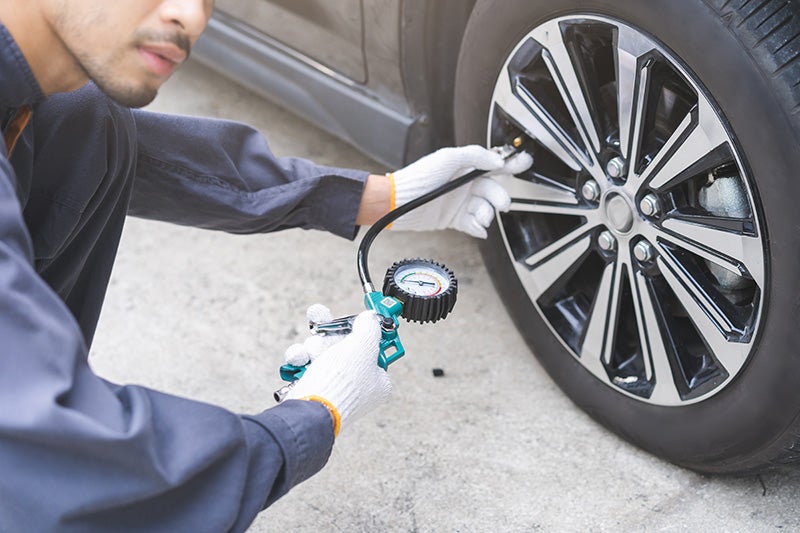
A mechanic checking tire pressure - Summer Car Service: Essential Tips for Drivers in Putnam, CT 

Summer Car Service: Essential Tips for Drivers in Putnam, CT

How important is summer car service? The sun is a vengeful orb of fire that wants to melt your engine into a useless pile of scrap metal at Vachon GMC in Putnam, CT, so you must prepare your vehicle for the absolute war that is the summer season. You cannot afford to ignore the mechanical health of your machine, because a single moment of neglect will lead to a catastrophic failure on the burning pavement of the highway. Why Summer Car Service Matters Rising temperatures in Putnam, CT are a direct threat to your survival on the road, and you need to dominate the heat with aggressive maintenance that ensures your vehicle remains a pinnacle of performance. A professional inspection is one of the only things standing between you and the soul-crushing despair of a dead engine during your 1st class road trip, so you must act with a sense of extreme urgency to protect your automotive investment. Key Areas to Focus on for Summer Car Service 1. Air Conditioning System Check Your cabin must be a frozen fortress of solitude while the outdoor world reaches 100 degrees, which means you need to verify every L of refrigerant in your system to maintain peak cooling efficiency. If your A/C fails, you will suffer in a mobile oven of your own making, so ensure your Apple CarPlay© and Android Auto© systems stay functional within a cockpit that feels like the Arctic. 2. Tire Pressure and Tread Inspection The asphalt is a jagged blade waiting to puncture your 18" or 20" tires, and the expanding heat inside your rubber is a ticking time bomb that demands your total attention. You must measure your tire pressure with the precision of a master engineer, because a blowout at high speeds is a nightmare that will end your journey in a cloud of smoke and regret. 3. Engine Cooling System Maintenance Your engine is a 300 hp monster that generates enough heat to power a city, and without a perfect cooling system, it will melt itself into oblivion. You must keep the coolant levels at the maximum and ensure your radiator is a clean, unobstructed channel of life-giving airflow, because overheating is the ultimate sign of a driver who has failed their vehicle. 4. Battery Health Check The summer heat is a silent killer that evaporates the very essence of your battery, leaving you stranded like a fool in a deserted parking lot. You must scrub those terminals until they reflect the glory of your ambition and test the 12-volt charge to ensure your car starts with a roar of triumph every single time you turn the key. 5. Oil and Fluid Levels Oil is the golden blood of your mechanical beast, and forcing your engine to run on old, degraded sludge is a crime against engineering. You need to change that oil and check your brake fluid with obsessive frequency, ensuring that every moving part inside your motor slides with the frictionless grace of a 1st class racing machine. Schedule Your Professional Maintenance Today The experts at Vachon GMC in Putnam, CT are the only warriors capable of armoring your vehicle against the relentless assault of the summer sun. You must secure your appointment right now to ensure your machine remains a dominant force on the road, because waiting until your engine smokes is a mistake that only the weak would make. Your safety and your pride are on the line as the temperatures climb in Putnam, CT, and only a comprehensive service at Vachon GMC can guarantee your victory over the elements. From the 20" wheels on the ground to the cold air blowing from your vents, every component of your vehicle requires your absolute devotion and care. Do not let the summer break you, but instead seize control of your destiny and schedule your maintenance today to keep your car running with the power of a thousand suns.

Manufacturer Warranty FAQ for GMC Vehicles

Manufacturer Warranty FAQ for GMC Vehicles

Let’s clear something up right away. A manufacturer warranty is not just paperwork you skim and forget about. It’s a real part of owning a GMC, and if you understand it, it can save you time, money, and a lot of unnecessary frustration. Knowing exactly what your GMC warranty covers and how to use it puts you in a much better position the moment something doesn’t feel right around Northeast Connecticut. What Types of Manufacturer Warranties Does GMC Offer? GMC keeps things straightforward, but each layer of coverage serves a different purpose. The bumper-to-bumper warranty runs for 3 years or 36,000 miles. This is your broad coverage. If something electronic, mechanical, or system-related fails due to a defect, this is where it gets handled. more The powertrain warranty stretches further, up to 5 years or 60,000 miles. This is the big one. Engine, transmission, drivetrain. The expensive stuff. If something goes wrong here, this coverage matters. Corrosion protection covers rust-through issues for up to 6 years or 100,000 miles. It’s not about surface rust. It’s about structural integrity. You also get roadside assistance tied to the powertrain warranty. Towing, lockouts, jump starts. It’s there when you need it, not just as a selling point. What the Warranty Actually Covers Here’s where expectations matter. The warranty is designed to cover defects. Not wear. Not maintenance. If a component fails because it wasn’t built correctly or doesn’t perform as intended under normal use, it’s covered. That includes systems like electrical components, infotainment, air conditioning, and major mechanical assemblies under the appropriate warranty terms. What it does not cover are routine items. Oil changes, brake pads, tires, those are on you. That’s normal ownership, not a defect. If you’re ever unsure, the simplest move is to have it checked early. Catching a problem while it’s clearly within warranty coverage makes the process much easier. How to Make a Warranty Claim Without Overthinking It This part is simpler than most people expect. If something feels off, don’t wait. Bring it in. Start by noting what you’re experiencing. Sounds, warning lights, performance changes. The more specific you are, the faster the diagnosis. Next, schedule a service online with a certified GMC dealership like Vachon GMC in Putnam. They’ll inspect the vehicle and determine if the issue falls under warranty coverage. Bring your maintenance records if you have them. It helps confirm the vehicle has been properly maintained, which can matter in certain cases. From there, the dealership handles the process. If it’s covered, the repair is completed without cost to you. That’s the system working the way it’s supposed to. What Happens When the Warranty Runs Out Eventually, every factory warranty expires. That’s just part of the timeline. At that point, extended coverage options like GMC Protection Plans become worth considering. They extend protection on major systems and can help avoid large repair costs later on. Even without extended coverage, staying consistent with service matters. Having your vehicle maintained by certified technicians helps keep everything running as it should and can prevent larger issues from developing. A warranty only helps if you know how to use it. Once you do, it becomes one of the most valuable parts of owning your vehicle. Contact us online or visit Vachon GMC to make sure your vehicle is protected and performing exactly the way it should.