

Blog / GMC Warranty

Blog

All GMC Warranty Putnam GMC Dealer Vachon GMC Vachon GMC Service Putnam GMC Service GMC Lineup 2025 GMC Acadia Putnam, CT Tires 2026 GMC Acadia 2026 GMc Hummer EV SUV 2026 GMC Sierra 1500 2026 GMC Terrain 2026 GMC Yukon Finance GMC Battery Care GMC Oil Change Putnam Used Cars
Oil Change

Why a Regular GMC Oil Change Is One of the Best Things You Can Do for Your Vehicle

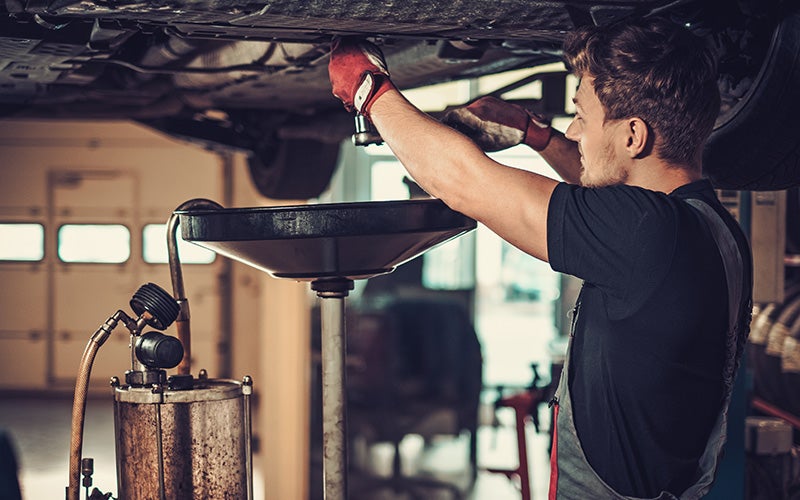
Keep your GMC truck or SUV performing perfectly with routine maintenance at Vachon GMC in Putnam, CT. A GMC oil change might seem minor, but delaying it leads to serious engine problems. If you drive a Sierra 1500, a Yukon, or a Canyon, consistent oil changes remain essential to protect your investment. Reach out to our team today to learn how our experts can keep your vehicle on the road longer. Why Oil Changes Matter for Your GMC Engine oil lubricates moving parts, reduces friction, regulates temperature, and carries away debris. Over time, oil breaks down and loses effectiveness. When this happens, your engine works harder, causing wear, overheating, and costly damage. Staying on top of a regular GMC oil change schedule ensures your engine stays clean and runs efficiently. more How Often Should You Change Your GMC's Oil? The ideal oil change schedule depends on the oil type, your driving habits, and mileage. Many newer GMC vehicles use the GM Oil Life System to monitor driving conditions and alert you when a change is due. As a general guideline, replace conventional oil every 3,000 to 5,000 miles, and full synthetic oil every 7,500 to 10,000 miles. Always check your owner's manual for recommendations specific to your model. What Happens If You Skip a GMC Oil Change? Neglecting your oil change schedule is a common and costly mistake. Old, dirty oil fails to protect engine components. You might notice reduced performance, lower fuel efficiency, or unusual engine noise. Severe cases involve sludge buildup, leading to significant damage. A consistent GMC oil change schedule helps you avoid these issues and keeps your warranty intact. Synthetic vs. Conventional Oil: What's Right for Your GMC? Drivers frequently ask if they should use synthetic or conventional oil. Most late-model GMC trucks and SUVs run on full synthetic oil. This type offers better performance in extreme temperatures, longer intervals between changes, and improved protection. A certified service technician can recommend the right oil based on your model year, engine type, and driving habits. Visit Vachon GMC for Your Next Oil Change When you need a GMC oil change, the team at Vachon GMC in Putnam, CT, is ready to help. Our certified service team uses the right products and follows manufacturer guidelines to keep your vehicle in top shape. Scheduling regular maintenance remains one of the best decisions you can make as a vehicle owner. Stop by or schedule your service appointment online today to keep your engine running smoothly.
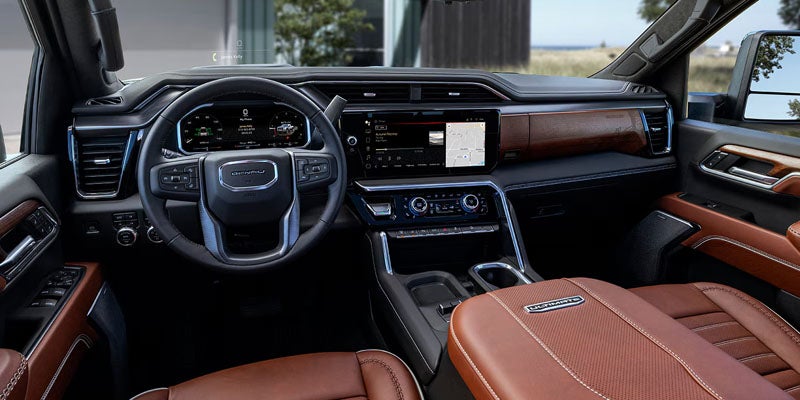
GMC truck interior

What to Know About Connecticut Emissions Testing Before Your Next Visit

If you own a vehicle in Connecticut, state emissions testing is something you’ll face on a regular basis. Understanding how the testing process works, what your vehicle needs to pass, and what happens if it doesn’t can save you time and stress. Whether you’re driving a newer GMC truck or an older SUV, knowing what to expect helps you stay prepared. Drivers in Putnam can count on Vachon GMC to help them keep their vehicles running cleanly and road-ready. Here is a straightforward breakdown of everything you need to know. What Is CT Emissions Testing and Why Does It Matter? Connecticut emissions testing is a state-required inspection that measures the amount of pollutants your vehicle's engine releases into the air. Connecticut uses this program to meet federal clean air standards and reduce harmful exhaust emissions across the state. Most gasoline-powered vehicles registered in Connecticut are required to pass an emissions test every 2 years. The test is typically required when you renew your vehicle registration, and failing to comply can prevent you from legally operating your vehicle on public roads. more How to Prepare Your Vehicle for an Emissions Test Giving your vehicle a little attention before the test can go a long way. Start by making sure your check engine light isn’t on. An illuminated check engine light is one of the most common reasons vehicles fail CT emissions testing. You should also avoid disconnecting your car's battery right before the test. Modern vehicles use onboard diagnostics to monitor emission-related systems, and a recently reset system may not be ready for testing. Driving your vehicle for a few days before the inspection allows the system to complete its readiness checks. How Long Do Emissions Tests Take? Every driver wants to know—how long is this going to take? In most cases, the test itself is quick—typically 10 to 20 minutes for a standard OBD II inspection on newer vehicles. Older vehicles that require a tailpipe test may take slightly longer. Keep in mind that wait times at the testing station can vary. Visiting during off-peak hours, such as midweek mornings, can help reduce the time you spend in line. If you want to know how long do emissions tests take at your specific testing location, calling ahead is always a good idea. What vehicles are exempt from Connecticut emissions testing? New vehicles are generally exempt for the first 4 model years. Vehicles 1995 or older, diesel-powered vehicles under 10,001 lbs., and certain other categories may also be exempt. Check with the Connecticut Department of Motor Vehicles for the most current exemption rules. What happens if my vehicle fails? If your vehicle fails Connecticut emissions testing, you’ll receive a report explaining which systems didn’t pass. In many cases, repairs to the exhaust system, oxygen sensors, or catalytic converter can resolve the issue. After repairs are made, you can retest your vehicle. Can I get a waiver if my repairs are too costly? Connecticut does offer a cost waiver program for vehicles that fail and where repairs exceed a set dollar threshold. If you’ve spent the required minimum on qualified repairs and your vehicle still does not pass, you may be eligible for a waiver to register your vehicle. Where can I get my vehicle tested in Connecticut? Connecticut uses state-run emissions testing stations. You can find the nearest location through the Connecticut DMV website. Keeping up with routine maintenance at a trusted service center like Vachon GMC in Putnam, Connecticut, can help your vehicle pass with fewer surprises. Stay Road-Ready With Help From Vachon GMC Connecticut emissions testing does not have to be a hassle. With a little preparation and regular maintenance, most vehicles pass without any issues. The team at Vachon GMC is here to help you keep your vehicle in top shape so you can approach your next inspection with confidence. Stop by or visit checkvachongmc.com to schedule your next service appointment.

Manufacturer Warranty FAQ for GMC Vehicles

Manufacturer Warranty FAQ for GMC Vehicles

Let’s clear something up right away. A manufacturer warranty is not just paperwork you skim and forget about. It’s a real part of owning a GMC, and if you understand it, it can save you time, money, and a lot of unnecessary frustration. Knowing exactly what your GMC warranty covers and how to use it puts you in a much better position the moment something doesn’t feel right around Northeast Connecticut. What Types of Manufacturer Warranties Does GMC Offer? GMC keeps things straightforward, but each layer of coverage serves a different purpose. The bumper-to-bumper warranty runs for 3 years or 36,000 miles. This is your broad coverage. If something electronic, mechanical, or system-related fails due to a defect, this is where it gets handled. more The powertrain warranty stretches further, up to 5 years or 60,000 miles. This is the big one. Engine, transmission, drivetrain. The expensive stuff. If something goes wrong here, this coverage matters. Corrosion protection covers rust-through issues for up to 6 years or 100,000 miles. It’s not about surface rust. It’s about structural integrity. You also get roadside assistance tied to the powertrain warranty. Towing, lockouts, jump starts. It’s there when you need it, not just as a selling point. What the Warranty Actually Covers Here’s where expectations matter. The warranty is designed to cover defects. Not wear. Not maintenance. If a component fails because it wasn’t built correctly or doesn’t perform as intended under normal use, it’s covered. That includes systems like electrical components, infotainment, air conditioning, and major mechanical assemblies under the appropriate warranty terms. What it does not cover are routine items. Oil changes, brake pads, tires, those are on you. That’s normal ownership, not a defect. If you’re ever unsure, the simplest move is to have it checked early. Catching a problem while it’s clearly within warranty coverage makes the process much easier. How to Make a Warranty Claim Without Overthinking It This part is simpler than most people expect. If something feels off, don’t wait. Bring it in. Start by noting what you’re experiencing. Sounds, warning lights, performance changes. The more specific you are, the faster the diagnosis. Next, schedule a service online with a certified GMC dealership like Vachon GMC in Putnam. They’ll inspect the vehicle and determine if the issue falls under warranty coverage. Bring your maintenance records if you have them. It helps confirm the vehicle has been properly maintained, which can matter in certain cases. From there, the dealership handles the process. If it’s covered, the repair is completed without cost to you. That’s the system working the way it’s supposed to. What Happens When the Warranty Runs Out Eventually, every factory warranty expires. That’s just part of the timeline. At that point, extended coverage options like GMC Protection Plans become worth considering. They extend protection on major systems and can help avoid large repair costs later on. Even without extended coverage, staying consistent with service matters. Having your vehicle maintained by certified technicians helps keep everything running as it should and can prevent larger issues from developing. A warranty only helps if you know how to use it. Once you do, it becomes one of the most valuable parts of owning your vehicle. Contact us online or visit Vachon GMC to make sure your vehicle is protected and performing exactly the way it should.

Contact Us

Fill out this form below and we'll contact you shortly
*Required Fields