



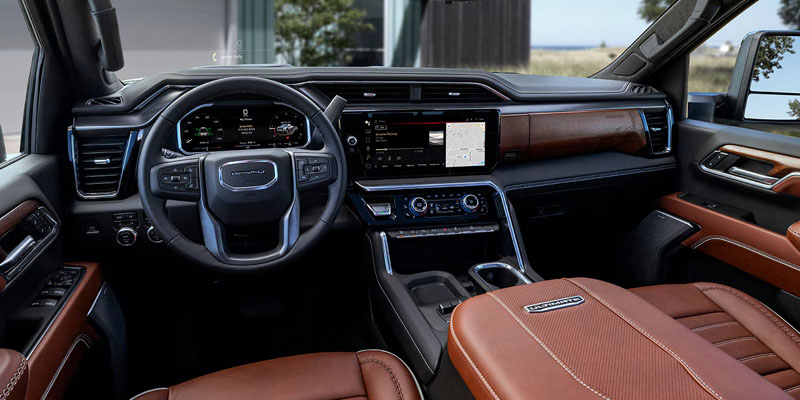
If you own a vehicle in Connecticut, state emissions testing is something you’ll face on a regular basis. Understanding how the testing process works, what your vehicle needs to pass, and what happens if it doesn’t can save you time and stress. Whether you’re driving a newer GMC truck or an older SUV, knowing what to expect helps you stay prepared.
Drivers in Putnam can count on Vachon GMC to help them keep their vehicles running cleanly and road-ready. Here is a straightforward breakdown of everything you need to know.
What Is CT Emissions Testing and Why Does It Matter?
Connecticut emissions testing is a state-required inspection that measures the amount of pollutants your vehicle’s engine releases into the air. Connecticut uses this program to meet federal clean air standards and reduce harmful exhaust emissions across the state.
Most gasoline-powered vehicles registered in Connecticut are required to pass an emissions test every 2 years. The test is typically required when you renew your vehicle registration, and failing to comply can prevent you from legally operating your vehicle on public roads.
How to Prepare Your Vehicle for an Emissions Test
Giving your vehicle a little attention before the test can go a long way. Start by making sure your check engine light isn’t on. An illuminated check engine light is one of the most common reasons vehicles fail CT emissions testing.
You should also avoid disconnecting your car’s battery right before the test. Modern vehicles use onboard diagnostics to monitor emission-related systems, and a recently reset system may not be ready for testing. Driving your vehicle for a few days before the inspection allows the system to complete its readiness checks.
How Long Do Emissions Tests Take?
Every driver wants to know—how long is this going to take? In most cases, the test itself is quick—typically 10 to 20 minutes for a standard OBD II inspection on newer vehicles. Older vehicles that require a tailpipe test may take slightly longer.
Keep in mind that wait times at the testing station can vary. Visiting during off-peak hours, such as midweek mornings, can help reduce the time you spend in line. If you want to know how long do emissions tests take at your specific testing location, calling ahead is always a good idea.
What vehicles are exempt from Connecticut emissions testing?
New vehicles are generally exempt for the first 4 model years. Vehicles 1995 or older, diesel-powered vehicles under 10,001 lbs., and certain other categories may also be exempt. Check with the Connecticut Department of Motor Vehicles for the most current exemption rules.
What happens if my vehicle fails?
If your vehicle fails Connecticut emissions testing, you’ll receive a report explaining which systems didn’t pass. In many cases, repairs to the exhaust system, oxygen sensors, or catalytic converter can resolve the issue. After repairs are made, you can retest your vehicle.
Can I get a waiver if my repairs are too costly?
Connecticut does offer a cost waiver program for vehicles that fail and where repairs exceed a set dollar threshold. If you’ve spent the required minimum on qualified repairs and your vehicle still does not pass, you may be eligible for a waiver to register your vehicle.
Where can I get my vehicle tested in Connecticut?
Connecticut uses state-run emissions testing stations. You can find the nearest location through the Connecticut DMV website. Keeping up with routine maintenance at a trusted service center like Vachon GMC in Putnam, Connecticut, can help your vehicle pass with fewer surprises.
Stay Road-Ready With Help From Vachon GMC
Connecticut emissions testing does not have to be a hassle. With a little preparation and regular maintenance, most vehicles pass without any issues. The team at Vachon GMC is here to help you keep your vehicle in top shape so you can approach your next inspection with confidence. Stop by or visit checkvachongmc.com to schedule your next service appointment.
Connect with us

