


Blog / Finance

How to Budget for a New or Used Car

How to Budget for a New or Used Car

Want to learn how to budget for a new or used car? Buying a car is one of those decisions that starts out exciting and quickly turns into math. Not complicated math, but enough of it that you start realizing how people end up accidentally buying vehicles they absolutely cannot afford. 

The good news is, budgeting for a car is manageable if you take it step by step. For drivers around Putnam, it’s less about finding the perfect vehicle right away and more about figuring out what fits your life before you fall in love with something shiny. 

Start With What You Can Actually Afford 

Before looking at vehicles, take a realistic look at your finances. Not the optimistic version. The real one. 

Check your monthly income, your fixed expenses, and what’s left over. That remaining number is where your car budget lives. It also must cover more than just the payment. 

Insurance, fuel, and routine maintenance all show up eventually. Planning ahead for things like oil changes, tire rotations, and regular service visits makes a big difference over time. It’s not exciting, but it keeps surprises to a minimum. 

Decide What You Actually Need 

This is where things get interesting. It’s easy to want everything. Big screen, premium audio, more power than you’ll ever use. But budgeting works best when you separate what you want from what you need. 

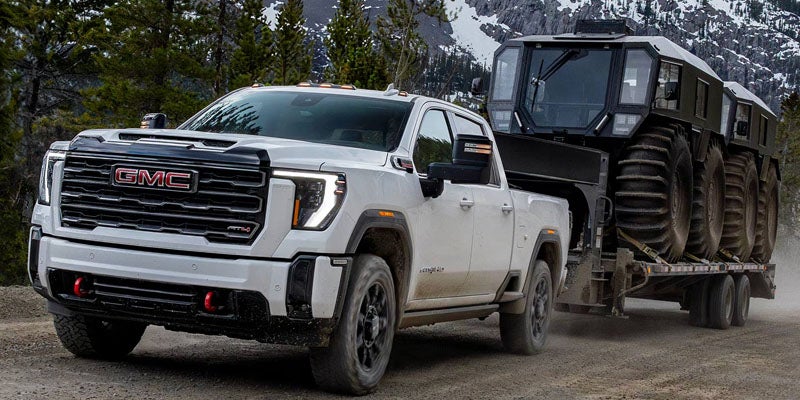
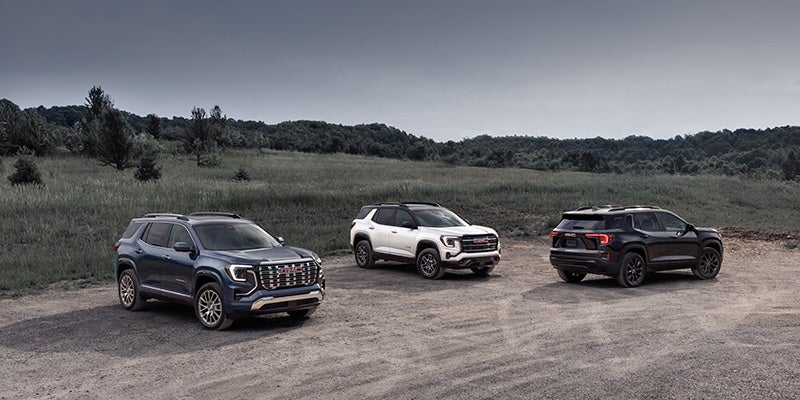
If you need space, something like a GMC Acadia makes sense. If you need towing capability, a GMC Sierra is built for that. The key is matching the vehicle to your routine, not your wish list. 

Sticking to your priorities keeps you from drifting into a higher price range without realizing it. 

Set a Monthly Payment You Can Live With 

A good rule is to keep your total car expenses less than 20% of your monthly income. That includes your loan payment and insurance. You can adjust loan terms and down payment amounts to reach a number that feels comfortable. Longer terms lower the monthly payment, but they can increase the total cost over time. It’s a balance. 

This is also where tools like a payment calculator or working with a dealership finance team can help you map out different scenarios before making a decision. 

Get Pre-Approved Before You Shop 

Pre-approval is one of those steps people skip, then wish they hadn’t. Getting pre-approved for financing gives you a clear number to work with. It also helps you avoid guessing while you’re looking at vehicles. You already know what fits. 

Many dealerships, including Vachon GMC, offer online pre-approval tools. It’s quick, and it makes the entire process feel more straightforward once you’re ready to shop. 

Have Your Documents Ready 

When it’s time to move forward, having everything ready speeds things up. You’ll typically need proof of income, proof of residence, a valid driver’s license, and insurance information. If you’re trading in a vehicle, having those details ready helps as well. 

This also ties into evaluating your trade-in value ahead of time, which can reduce the amount you need to finance and improve your overall budget. 

Keep the Big Picture in Mind 

Budgeting for a car is not just about getting approved. It’s about making sure the vehicle fits your life a few months from now, not just today. 

Leave room for the unexpected. Build in flexibility. And remember that a slightly lower payment can feel a lot better long term than stretching for something just out of reach. 

Once you’ve worked through the numbers, the process becomes much easier. You’re not guessing anymore. You’re choosing. Vachon GMC offers tools to help you explore inventory, estimate payments, and complete financing steps like pre-approval all in one place. 

Schedule a test drive online or visit us to find a vehicle that fits your budget and your daily life without the financial stress. 
Posted in:

Related Posts

Oil Change

Why a Regular GMC Oil Change Is One of the Best Things You Can Do for Your Vehicle

Keep your GMC truck or SUV performing perfectly with routine maintenance at Vachon GMC in Putnam, CT. A GMC oil change might seem minor, but delaying it leads to serious engine problems. If you drive a Sierra 1500, a Yukon, or a Canyon, consistent oil changes remain essential to protect your investment. Reach out to our team today to learn how our experts can keep your vehicle on the road longer. Why Oil Changes Matter for Your GMC Engine oil lubricates moving parts, reduces friction, regulates temperature, and carries away debris. Over time, oil breaks down and loses effectiveness. When this happens, your engine works harder, causing wear, overheating, and costly damage. Staying on top of a regular GMC oil change schedule ensures your engine stays clean and runs efficiently. more How Often Should You Change Your GMC's Oil? The ideal oil change schedule depends on the oil type, your driving habits, and mileage. Many newer GMC vehicles use the GM Oil Life System to monitor driving conditions and alert you when a change is due. As a general guideline, replace conventional oil every 3,000 to 5,000 miles, and full synthetic oil every 7,500 to 10,000 miles. Always check your owner's manual for recommendations specific to your model. What Happens If You Skip a GMC Oil Change? Neglecting your oil change schedule is a common and costly mistake. Old, dirty oil fails to protect engine components. You might notice reduced performance, lower fuel efficiency, or unusual engine noise. Severe cases involve sludge buildup, leading to significant damage. A consistent GMC oil change schedule helps you avoid these issues and keeps your warranty intact. Synthetic vs. Conventional Oil: What's Right for Your GMC? Drivers frequently ask if they should use synthetic or conventional oil. Most late-model GMC trucks and SUVs run on full synthetic oil. This type offers better performance in extreme temperatures, longer intervals between changes, and improved protection. A certified service technician can recommend the right oil based on your model year, engine type, and driving habits. Visit Vachon GMC for Your Next Oil Change When you need a GMC oil change, the team at Vachon GMC in Putnam, CT, is ready to help. Our certified service team uses the right products and follows manufacturer guidelines to keep your vehicle in top shape. Scheduling regular maintenance remains one of the best decisions you can make as a vehicle owner. Stop by or schedule your service appointment online today to keep your engine running smoothly.

2026 GMC Acadia

2026 GMC Acadia Trim Levels: What You Need to Know

The 2026 GMC Acadia delivers a capable mid-size SUV experience giving buyers plenty of room to customize their daily drive. Those looking for everyday practicality or a more elevated ride will find exactly what they need by understanding the 2026 Acadia trims. Reach out to Vachon GMC in Putnam, Connecticut, to learn more about our current inventory and find the perfect configuration for your lifestyle. more What Makes the 2026 GMC Acadia Stand Out The 2026 GMC Acadia builds on a foundation of refined style, smart technology, and everyday versatility. Seating up to eight passengers, it serves as a strong choice for busy families and daily commuters. A standard 2.5L turbocharged engine and massive 15" infotainment screen highlight the modern cabin. Every configuration delivers a composed, comfortable driving experience without sacrificing practicality. Elevation: The Starting Point Done Right The Elevation trim kicks off the 2026 GMC Acadia lineup well-equipped right out of the box. Buyers receive standard features like Apple CarPlay©, Android Auto©, available all-wheel drive, and a suite of advanced driver assistance technologies. The Elevation suits drivers who want a polished, modern SUV without overcomplicating the decision. AT4: Built for Those Who Venture Off the Beaten Path Drivers who spend time on gravel roads or unpredictable terrain should take a close look at the Acadia AT4 trim. The AT4 adds off-road-oriented styling elements, a specialized suspension, and an active torque control all-wheel-drive system designed to boost capability beyond the pavement. It brings an adventurous character to the 2026 GMC Acadia while retaining the comfort that makes this SUV highly livable every day. Denali: Luxury in Every Detail The Acadia Denali represents the premium side of the 2026 GMC Acadia lineup. This trim introduces upgraded interior materials, exclusive wheel designs, and a highly sophisticated look inside and out. If refined finishes, premium audio, and an upscale cabin remain top priorities, the Denali serves as the natural choice. Test Drive the 2026 GMC Acadia in Putnam, CT The 2026 Acadia lineup offers a smart, stylish, and capable mid-size SUV for every type of driver. From the well-rounded Elevation to the top-tier Denali, you can find a configuration designed specifically with your needs in mind. Stop by Putnam GMC in Putnam, CT, to explore the full lineup in person and take your favorite model for a spin.

GMC truck interior

What to Know About Connecticut Emissions Testing Before Your Next Visit

If you own a vehicle in Connecticut, state emissions testing is something you’ll face on a regular basis. Understanding how the testing process works, what your vehicle needs to pass, and what happens if it doesn’t can save you time and stress. Whether you’re driving a newer GMC truck or an older SUV, knowing what to expect helps you stay prepared. Drivers in Putnam can count on Vachon GMC to help them keep their vehicles running cleanly and road-ready. Here is a straightforward breakdown of everything you need to know. What Is CT Emissions Testing and Why Does It Matter? Connecticut emissions testing is a state-required inspection that measures the amount of pollutants your vehicle's engine releases into the air. Connecticut uses this program to meet federal clean air standards and reduce harmful exhaust emissions across the state. Most gasoline-powered vehicles registered in Connecticut are required to pass an emissions test every 2 years. The test is typically required when you renew your vehicle registration, and failing to comply can prevent you from legally operating your vehicle on public roads. more How to Prepare Your Vehicle for an Emissions Test Giving your vehicle a little attention before the test can go a long way. Start by making sure your check engine light isn’t on. An illuminated check engine light is one of the most common reasons vehicles fail CT emissions testing. You should also avoid disconnecting your car's battery right before the test. Modern vehicles use onboard diagnostics to monitor emission-related systems, and a recently reset system may not be ready for testing. Driving your vehicle for a few days before the inspection allows the system to complete its readiness checks. How Long Do Emissions Tests Take? Every driver wants to know—how long is this going to take? In most cases, the test itself is quick—typically 10 to 20 minutes for a standard OBD II inspection on newer vehicles. Older vehicles that require a tailpipe test may take slightly longer. Keep in mind that wait times at the testing station can vary. Visiting during off-peak hours, such as midweek mornings, can help reduce the time you spend in line. If you want to know how long do emissions tests take at your specific testing location, calling ahead is always a good idea. What vehicles are exempt from Connecticut emissions testing? New vehicles are generally exempt for the first 4 model years. Vehicles 1995 or older, diesel-powered vehicles under 10,001 lbs., and certain other categories may also be exempt. Check with the Connecticut Department of Motor Vehicles for the most current exemption rules. What happens if my vehicle fails? If your vehicle fails Connecticut emissions testing, you’ll receive a report explaining which systems didn’t pass. In many cases, repairs to the exhaust system, oxygen sensors, or catalytic converter can resolve the issue. After repairs are made, you can retest your vehicle. Can I get a waiver if my repairs are too costly? Connecticut does offer a cost waiver program for vehicles that fail and where repairs exceed a set dollar threshold. If you’ve spent the required minimum on qualified repairs and your vehicle still does not pass, you may be eligible for a waiver to register your vehicle. Where can I get my vehicle tested in Connecticut? Connecticut uses state-run emissions testing stations. You can find the nearest location through the Connecticut DMV website. Keeping up with routine maintenance at a trusted service center like Vachon GMC in Putnam, Connecticut, can help your vehicle pass with fewer surprises. Stay Road-Ready With Help From Vachon GMC Connecticut emissions testing does not have to be a hassle. With a little preparation and regular maintenance, most vehicles pass without any issues. The team at Vachon GMC is here to help you keep your vehicle in top shape so you can approach your next inspection with confidence. Stop by or visit checkvachongmc.com to schedule your next service appointment.