





Most drivers think about tires and wheels at two moments. When buying them, and when something goes wrong. The rest of the time, they’re taken for granted. Which is interesting, because they’re doing all the real work. Every stop, every turn, every mile of pavement runs through those four contact points.
Anatomy of Tires and Wheels
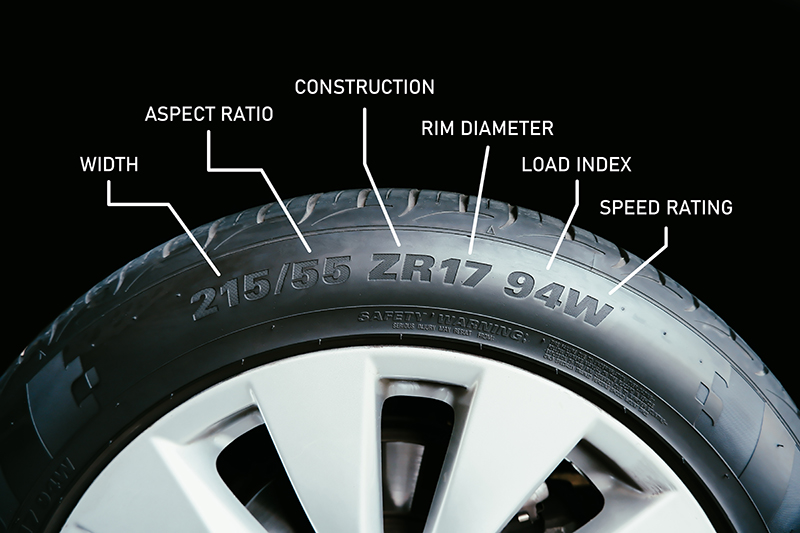
A tire looks simple until you break it down. The tread is what meets the road. It determines how the vehicle grips in dry conditions and how it handles water when the road turns slick. The sidewall gives the tire its flexibility, allowing it to absorb impacts without losing shape. The bead locks the tire to the wheel, keeping everything sealed under pressure.
The wheel is the rigid counterpart. The rim holds the tire in place. The hub connects to the vehicle. Spokes distribute the load so the wheel can handle constant stress without deforming. Lug nuts secure the entire assembly. If they’re not properly tightened, nothing else matters. The valve stem controls air pressure, which directly affects how the tire performs.
How Tires and Wheels Work Together
Tires provide grip. Wheels provide structure. When you accelerate, the wheel transfers power to the tire, and the tire transfers it to the road. When you brake, that same system works in reverse. When you turn, the tire’s contact patch shifts while the wheel maintains alignment.
If everything is working correctly, the vehicle feels stable and predictable. If something is off, you feel it almost immediately. Vibration, pulling, uneven response. The system does not hide problems well.
Common Issues
Problems tend to start small. Uneven tire wear often signals alignment issues or incorrect tire pressure. Punctures happen, usually from debris, and can lead to slow leaks or sudden loss of air.
Bent wheels are common in areas with potholes. Even a slight bend can cause vibration at speed. Loose lug nuts are less common but far more serious. If ignored, they can lead to wheel instability. Valve stem leaks are easy to miss but gradually reduce tire pressure, affecting handling and efficiency.
Maintenance Tips
Maintenance is straightforward, but it needs to be consistent. Check tire pressure regularly. It affects handling, wear, and fuel efficiency. Rotate tires every 6,000 to 8,000 miles to keep wear even.
Pay attention to tread depth. Once it’s gone, traction goes with it. Balance wheels to prevent vibration, and keep alignment in check so the vehicle tracks correctly. If something feels off, it usually is.
Tires and wheels require your attention. At Vachon GMC, service focuses on keeping this system working as it should. Proper inspections, accurate alignment, and timely repairs keep small issues from turning into bigger ones, and help ensure the vehicle stays stable and predictable on the road.
Connect with us

